
Bathroom Renovation Budget 2026: Where Your Money Actually Goes
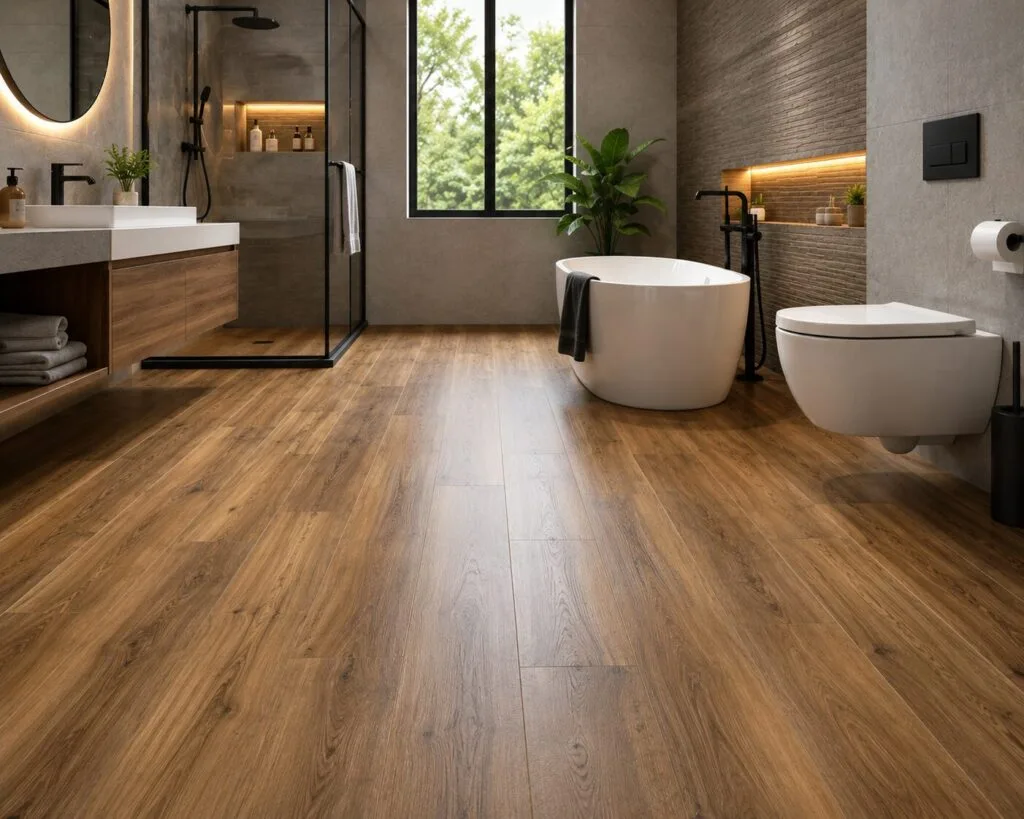
A bathroom renovation in Richmond, Virginia can cost anywhere from $3,500 for a cosmetic refresh to $60,000 or more for a primary or upscale bathroom, with custom wet rooms starting around $45,000. Most homeowners spend the biggest share on skilled labor, plumbing, waterproofing, tiling, and fixture installation. The room may be small, but almost every trade works inside it. Bathroom renovation costs in Richmond typically range from $3,500 for a cosmetic refresh to $60,000+ for a primary or upscale remodel, with custom wet rooms starting around $45,000, depending on the size of the bathroom, materials, and the scope of the project.
What Does a Bathroom Renovation Really Cost in 2026?
Use these figures as planning ranges, not fixed quotes. Labor, access, permits, and hidden conditions can change the final total.
| Project Level | Richmond Planning Range | Usually Includes |
|---|---|---|
| Cosmetic Refresh | $3,500–$8,000 | Paint, mirror, lighting, hardware, minor repairs |
| Small Bathroom Renovation | $12,000–$25,000 | Vanity, sink, toilet, flooring, basic shower work |
| Mid-Range Full Bathroom | $20,000–$35,000 | Demolition, tiling, waterproofing, fixtures, plumbing, electrical |
| Primary/Master Bathroom | $35,000–$60,000+ | Larger vanity, custom shower, bathtub, storage, premium finishes |
| Wet Room or Custom Renovation | $45,000+ | Full waterproofing, drainage changes, custom glass, specialist tile work |
National 2026 guides put the average near $120 per square foot, with a wide range from about $70 to $400 or more. Small bathrooms cost more per square foot, and mid-range work costs more again when custom finishes and full professional installation are included.
Bathroom Renovation Cost per Square foot
How to Calculate Your Estimated Bathroom Cost
Multiply the bathroom’s floor area by a realistic rate for your project scope.
Example: A 5-by-8-foot full bathroom has 40 square feet. Small rooms cost more per square foot because the plumbing, shower, and fixtures cost about the same as in a larger room. At roughly $300 to $625 per square foot, the working estimate becomes $12,000 to $25,000 before major layout changes or hidden repairs.
Measure the Floor and Wall Area
Do not calculate tile costs from the floor area alone.
Include Tiled Walls, Showering Areas, and Flooring Separately
- A walk-in shower may add more tiled surface than the rest of the room.
- Niches, benches, mosaics, and diagonal patterns create more cuts. They also increase installation time.
- Square-foot pricing works for an early estimate. It cannot replace a detailed contractor quote.
Bathroom Renovation Budget Breakdown: Where the Money Goes
A bathroom renovation budget needs separate categories for labor, materials, fixtures, and essential work. Otherwise, attractive fixtures can consume money needed for drainage, waterproofing, or electrical work.
| Budget Category | Share of Total Budget |
|---|---|
| Labor and professional installation | 40%–65% |
| Fixtures and fittings | 15%–25% |
| Tiles, flooring, and wall finishes | 10%–20% |
| Waterproofing and preparation | 5%–10% |
| Design, permits, delivery, and disposal | 5%–10% |
| Contingency fund | Add 10%–15% on top |
This is a planning model, not a universal formula. Angi places labor at 40% to 65% of the total budget, depending on project complexity and location.
Labor and Professional Installation Costs
Labor covers:
- Demolition
- Framing
- Plumbing
- Electrical installation
- Waterproofing
- Tiling
- Carpentry
- Painting
- Final fixture installation
Bathrooms require accurate installation. A badly positioned shower drain or poorly sealed bathtub can damage the bathroom, ceiling, and nearby rooms. Older Richmond homes may need more preparation. In the Museum District, The Fan, and Church Hill, historic layouts can bring tight access or older surfaces. Inspect the room before accepting a firm price. The Museum District is known for varied architecture, while Church Hill contains properties dating back generations.
Waterproofing and Moisture Protection
Waterproofing is not the place to choose the cheapest quote. The showering area needs the correct membrane, corners, penetrations, drain connection, and curing time. Baths and bathtubs need properly sealed edges. A wet room requires full floor preparation, controlled slopes, and reliable drainage.
Ask your contractor:
- Who completes the waterproofing?
- Which waterproofing system will they use?
- Is the system covered by a warranty?
- Will they photograph the work before installing tiles?
- How will the shower drain connect to the waterproofing layer?
Photos can prove what sits behind the finished tile.
Tiles, Flooring and Wall Finishes
Tile costs include more than the tile itself.
You may also need:
- Backer board
- Floor leveling
- Waterproof membrane
- Tile adhesive
- Grout
- Sealant
- Edge trims
- Delivery
- Cutting waste
- Surface repairs
Large-format tiles reduce grout lines. However, uneven walls may require more preparation. Small mosaics can cost more to install because they take longer to align.To control costs, tile the shower and other true wet areas. Use quality bathroom paint on suitable dry walls.
Fixtures and Fittings
Bathroom fixtures include the toilet, sink, vanity, shower, bathtub, faucets, and hardware. A standard toilet and stock vanity can help keep costs manageable, while a wall-hung toilet requires additional framing and a hidden water tank, increasing installation costs. A freestanding bathtub may need floor reinforcement or relocated plumbing. A custom glass shower door usually costs more than a standard-sized door. Spend first on the valves, drains, pipes, and connections inside the wall. Visible handles and accessories can be changed later.
What Can Increase or Reduce Your Bathroom Renovation Budget?
Bathroom Size and Layout
- A powder room or half bath usually costs less because it has no shower or bathtub.
- A full bathroom includes a toilet, sink, and bathing area.
- A primary bathroom or master bathroom often includes a larger vanity, more storage, and separate baths and showers.
- A Jack and Jill bathroom may need two access points, shared storage, and better privacy.
- A wet room requires broader waterproofing than a standard shower enclosure.
Existing Plumbing Positions
Keeping the toilet, sink, shower, and bathtub in place is one of the strongest ways to protect your budget.
Moving a toilet affects the waste line.
Moving a shower may affect:
- Water supply pipes
- Drainage
- Waterproofing
- Floor construction
- Wall finishes
- Tile installation
In a tight Richmond row house, access below the bathroom floor may also be limited.
Material Quality
You control material quality more than most other project costs.
- Use standard-sized vanities, stock tile, and readily available faucets when working with a tight budget.
- Spend more on reliable valves, drains, waterproofing, and installation.
- A premium mirror adds style. It does not repair a leaking shower pan.
Bathroom Renovation Budget by Bathroom Type
| Bathroom Type | Main Cost Drivers |
|---|---|
| Small Washroom or Restroom | Compact fixtures, minimum trade charges, and restricted access |
| Powder Room or Half Bath | Toilet, sink, vanity, lighting, and finishes |
| Full Bathroom | Shower or bathtub, waterproofing, tile, and ventilation |
| Primary Bathroom (Attached) | Storage, privacy, shower quality, and access |
| Master Bathroom | Double vanity, larger shower, bathtub, and custom finishes |
| Jack and Jill Bathroom | Shared storage, multiple doors, and user privacy |
| Wet Room | Full-room waterproofing, floor slope, and drainage |
Small bathrooms are not always cheap to renovate. They still need a plumber, electrician, tile setter, and installer. Contractors may also charge minimum service or project fees.
The Hidden Bathroom Renovation Costs Homeowners Often Miss
The biggest surprises often appear after demolition starts.
Common hidden costs include:
- Water damage behind shower walls
- Soft or damaged subflooring
- Old drain lines
- Corroded pipes
- Unsafe electrical wiring
- Poor ventilation
- Uneven walls
- Mold treatment
- Structural repairs
- Delivery and storage charges
- Waste removal
- Temporary bathroom arrangements
- Design changes after construction begins
Set aside at least 10% for a straightforward renovation. Consider 15% or more for an older bathroom, visible moisture damage, previous DIY work, or major plumbing changes.
Permits and Contractor Checks in Richmond
The City of Richmond states that building work and structural alterations may require a building permit. Plumbing, electrical, and mechanical work use separate trade permits. The city processes applications through its Online Permit Portal. Some reviews may take two to three weeks.
Before signing a contract, check the contractor through Virginia’s Department of Professional and Occupational Regulation.Virginia contractor licenses include a license class and a work classification or specialty. These determine the value and type of work the business may perform. Richmond home shows can help you compare products and meet remodelers. Never rely on a same-day sales pitch alone.
Check the contractor’s:
- Virginia license
- Insurance
- Written project scope
- Material allowances
- Payment schedule
- Warranty
- Change-order process
- Recent local projects
How to Renovate a Bathroom on a Budget
Keep the Existing Plumbing Layout
Do not move a toilet, shower, or sink unless the new layout solves a genuine problem.Plumbing relocation can affect several parts of the renovation at once.
Repair or Refinish Before Replacing
A sound bathtub may only need refinishing. A solid vanity may need paint, a new countertop, or updated hardware. Clean existing grout before deciding that all tiles must be replaced.
Choose Standard-Sized Products
Custom glass, unusual sinks, and made-to-order cabinetry increase material and installation costs. Standard-sized products are easier to source and replace.
Compare Itemized Contractor Quotes
Every quote should clearly show:
- Demolition
- Labor by trade
- Fixtures
- Tile allowance
- Waterproofing
- Electrical work
- Plumbing work
- Permit responsibilities
- Waste disposal
- Project exclusions
- Change-order process
A low total means little when important work is missing.
Small Bathroom Renovation Ideas on a Budget
Small bathroom renovations on a budget should focus on layout, storage, and essential wet areas.
Practical options include:
- Keeping the toilet and sink in place
- Installing a compact sink
- Using a floating vanity
- Replacing separate baths and showers with one efficient showering area
- Tiling only essential wet zones
- Adding storage above the toilet
- Installing a larger mirror
- Improving lighting
- Replacing damaged grout and sealant
- Refinishing an existing bathtub
Do not fill a small bathroom with undersized decorative products. Use fewer fixtures with better proportions.
DIY Bathroom Renovation on a Budget
Painting, changing handles, installing shelves, and final styling may suit a capable homeowner.
Leave the following work to qualified professionals:
- Plumbing
- Electrical installation
- Structural changes
- Waterproofing
- Drainage
- Wet room construction
Budget for tools, safety gear, disposal, mistakes, and your time.
A DIY bathroom renovation only saves money when the completed work remains safe and durable.
How to Renovate an Old Bathroom on a Budget
Start with an inspection.
Check:
- Shower and bathtub edges
- Toilet connections
- Wash basin pipes
- Floor movement
- Cracked grout
- Weak ventilation
- Damp smells
- Staining on nearby ceilings
- Old electrical outlets
- Previous patch repairs
Keep original features that remain sound. A quality bathtub may be worth refinishing. Existing tile may only need cleaning and grout repairs. A strong vanity can often be repainted. Replace damaged waterproofing, unsafe wiring, leaking toilets, and poor drainage before making cosmetic improvements.
Where Should You Spend and Where Can You Save?
Spend More On
- Waterproofing
- Drainage
- Plumbing connections
- Electrical safety
- Ventilation
- Shower valves
- Skilled installation
Save On
- Mirrors
- Cabinet handles
- Open shelving
- Standard tile
- Paint
- Accessories
- Refinished fixtures
In Richmond homes near Carytown, the James River, Short Pump, or Midlothian, the finish level should suit the property and likely buyer. Do not install an expensive hotel-style wet room in a modest home only to chase resale value.
Does a Bathroom Renovation Add Value to Your Home?
- A good bathroom can improve daily use and buyer confidence. It does not guarantee full financial payback.
- The latest available national Cost vs. Value report lists a mid-range bathroom remodel at about 80% cost recouped.
- Universal-design bathroom work recouped about 61%. An upscale bathroom remodel returned about 42%.
- These are national benchmarks. They are not guaranteed returns for a specific Richmond property.
- For resale, address leaks, poor ventilation, damaged tile, weak lighting, and awkward storage first.
Bathroom Renovation Budget Planner
Follow this order:
- Define the project scope.
- Measure the room.
- List every bathroom fixture.
- Separate labor and material costs.
- Add permits and disposal.
- Include a contingency fund.
- Compare three itemized quotes.
- Track approved changes.
- Record the final cost.
A clear budget protects the project better than a vague maximum number.
Common Bathroom Renovation Budget Mistakes
Avoid these common problems:
- Starting without a clear scope
- Buying fixtures before measuring
- Moving plumbing without a strong reason
- Comparing quotes with different inclusions
- Underestimating labor
- Ignoring ventilation
- Choosing appearance over waterproofing
- Forgetting disposal costs
- Making late design changes
- Spending the contingency too early
- Paying large amounts before work begins
- Accepting verbal changes without written prices
FAQs
Start Your Bathroom Project
Call us and describe your bathroom and what you want to change. You get a free estimate and clear next steps, with no pressure.
2 Comments
Comments are closed.